
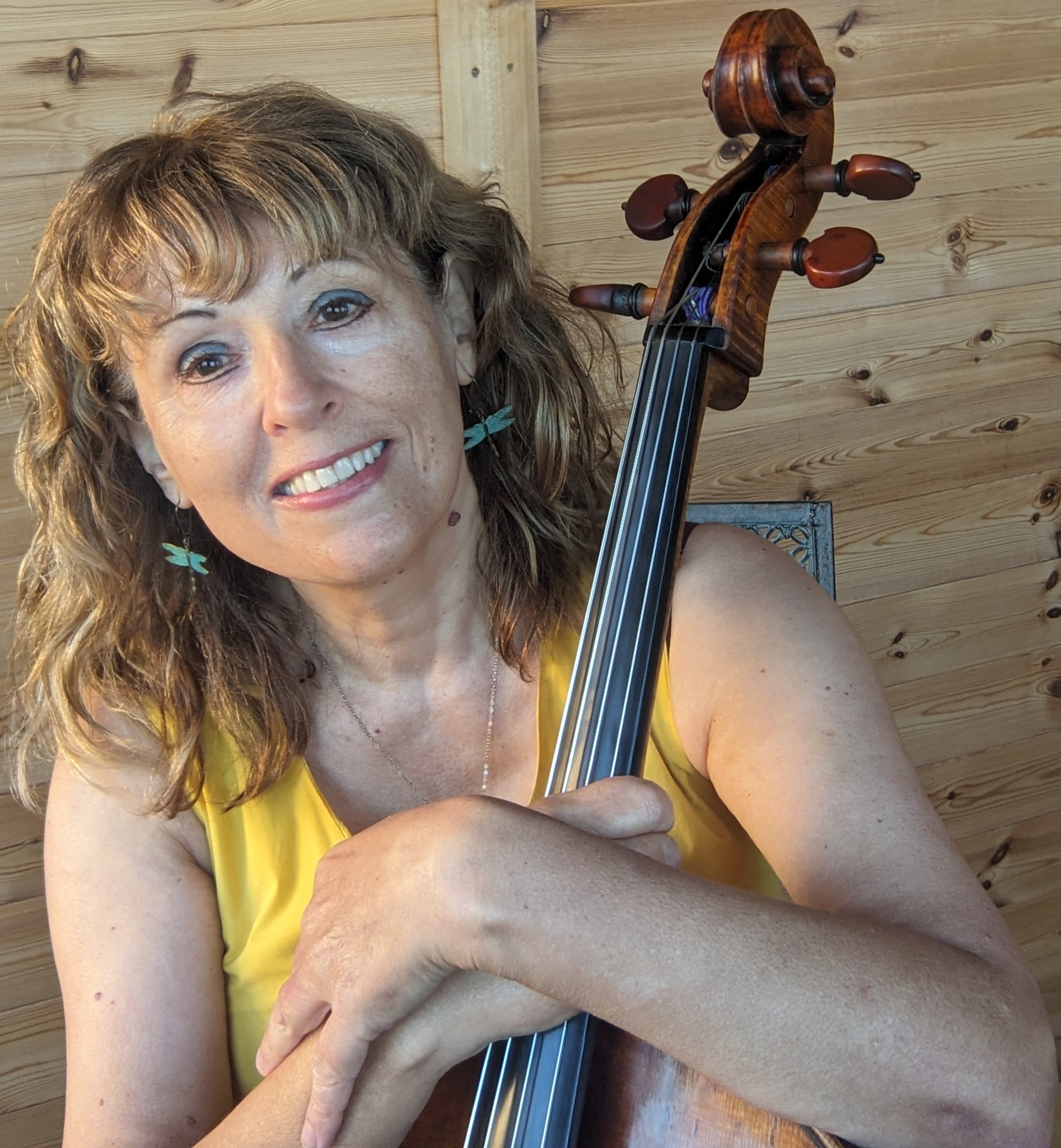
For many, becoming a grandmother marks a quieter stage of life. For Joanna Borrett, it became the start of an unexpected new chapter. Her works now feature on the Joanna Borrett Trinity syllabus, studied next to giants like Bach, Mozart, and Elgar.
This recognition puts her music in the hands of thousands of students preparing for GCSE and A Level exams, blending her modern perspective with timeless classical traditions.
How Joanna Borrett Reached the Trinity Syllabus
Joanna’s road to success was far from ordinary. After leaving the stage for two decades, she found her way back by experimenting with improvisation and, eventually, composing. The very first piece she wrote, Morning Prelude, was a gift to her newborn twin grandsons. That personal moment sparked a whole new career.
Her rise since then has been remarkable:
- Three string pieces added to the Trinity exam syllabus.
- Radio play on BBC Radio 3 and Magic Classical.
- Her orchestral work Clan chosen as Album of the Weekend by Scala Radio.
- Performances of her music at Holyrood Palace.
Why the Joanna Borrett Trinity Syllabus Milestone Matters
The Trinity syllabus is filled with celebrated composers — Mozart, Bizet, Handel, Bach. Seeing Joanna’s name on that same list signals real change. Her piece Ceilidh is part of the Grade 4 viola exams, while One Morning and Ceilidh appear in Grade 5 and 6 cello exams.
“It’s amazing to be included in the Trinity syllabus,” Joanna explains. “I want people to know that age should never block creativity or ambition.”
Inspiring Future Generations
Beyond this achievement, Joanna is preparing to release her debut album, Moments of Freedom. Much like her place in the Joanna Borrett Trinity syllabus, the album represents persistence, passion, and the belief that music belongs to all ages.
Her story challenges the idea of limits and shows younger musicians that it’s never too late to start again.
Follow Joanna Borrett: