
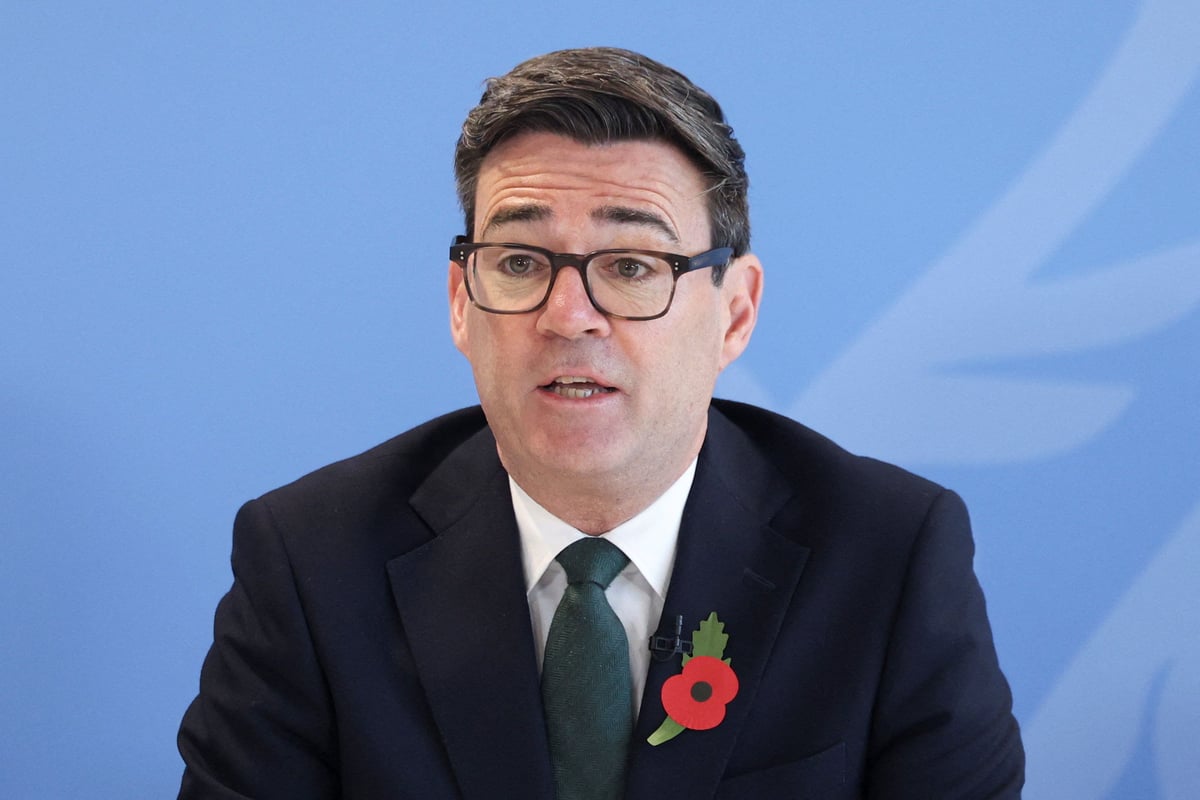
Andy Burnham has defended the Government’s advice for households to keep essential supplies at home. He says unexpected events are becoming more common and people need to be better prepared.
The Prime Minister spoke as the UK faced disruption from severe weather. His comments also followed the launch of updated Government guidance through its Be Ready campaign.
The advice asks households to keep enough basic supplies to manage for three days. These include bottled water, tinned food, a torch, a radio and a first aid kit.
What should households keep at home?
The Government recommends storing around nine litres of water per person. This should cover drinking and basic needs for three days.
Other suggested items include long-life food, wet wipes, hand sanitiser and essential toiletries. Families should also consider supplies for babies and pets.
A battery-powered or wind-up radio can help people receive updates during power cuts. A charged power bank, blankets and some cash may also prove useful.
Burnham said the guidance was about practical preparation, not panic buying. He explained that people should have basic supplies ready if normal services become disrupted.
Burnham responds to criticism
The advice has prompted questions about the Government’s role in emergency planning. Critics have argued that ministers should focus on protecting public services and infrastructure.
Burnham rejected the suggestion that households were being left to deal with crises alone. He said the aim was to build resilience and help people manage short periods of disruption.
He also spoke about the possibility of keeping wine in an emergency supply kit. However, he made clear that food and water should come first.
The comments came as ministers discussed the growing risk of wildfires and extreme weather. The Government is also considering how the country can respond to other emergencies, including cyber-attacks.
Why the advice matters
Emergency planning is not a new idea in several European countries. Some already encourage households to keep basic supplies at home.
The UK guidance aims to make similar preparation part of everyday life. It does not ask people to buy large quantities or empty supermarket shelves.
For households, the message is simple: keep a small supply of essentials and check it regularly. A little preparation can make a difficult situation easier to manage.