
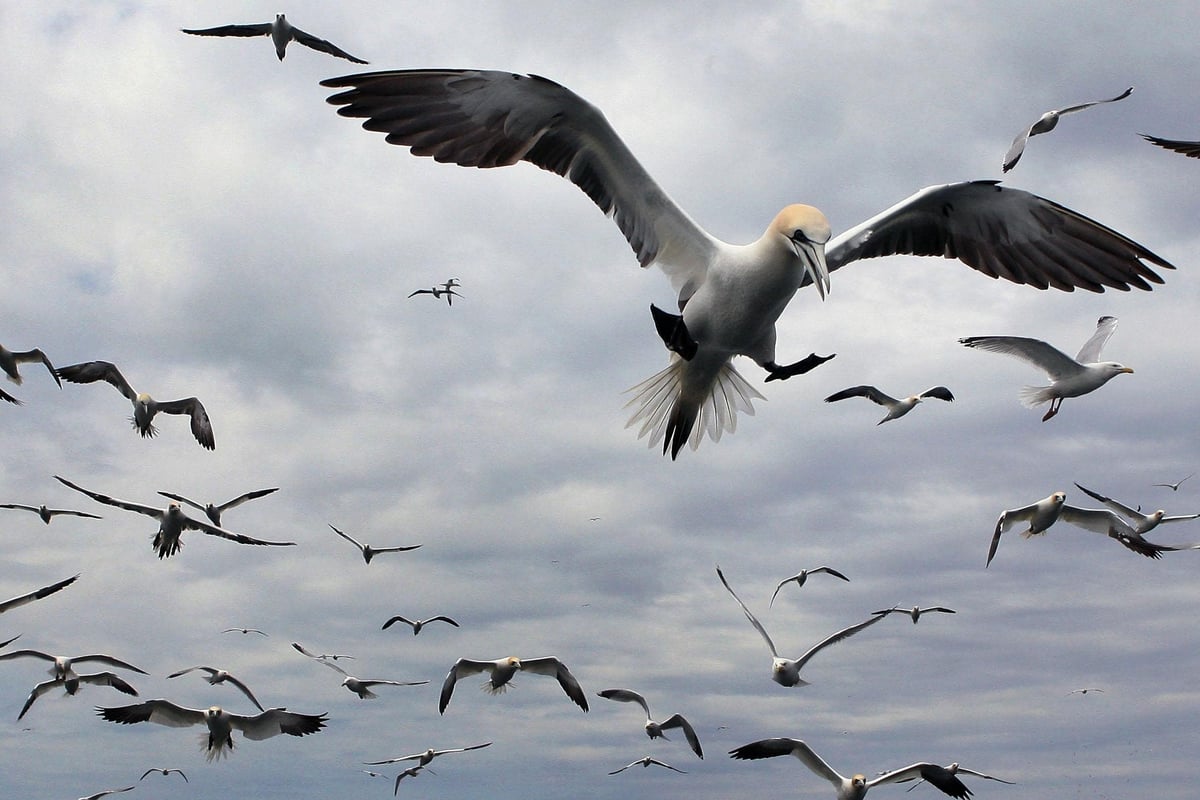
Scotland has introduced an Avian Influenza Prevention Zone across the entire country following an increase in bird flu detections among wild and captive birds.
The Scottish Government confirmed the measure on November 10, 2026. It came into force at midday and makes strict biosecurity measures a legal requirement for people who keep poultry and other captive birds.
The decision aims to reduce the risk of infection spreading from wild birds or other sources to domestic flocks.
Why has Scotland introduced the prevention zone?
The Scottish Government says the risk of avian influenza spreading to poultry and other captive birds is currently very high.
Surveillance has identified the highly pathogenic virus circulating among wild birds across the UK. Scotland has also recorded cases in kept birds during the current season.
There have been six confirmed cases in kept birds across Great Britain since the start of the season in October. Two were in Scotland, including a backyard flock on the Isle of Lewis and an egg producer in the Scottish Borders. England has recorded four cases.
What does the new rule mean for bird keepers?
The prevention zone requires poultry and captive bird keepers across Scotland to follow enhanced biosecurity procedures.
These measures aim to reduce contact between domestic birds and wild birds, while also limiting the spread of infection through people, equipment and contaminated materials.
The rules apply to all keepers, including people who own only a small number of birds at home. Backyard poultry owners must also take precautions to protect their animals.
Anyone who suspects avian influenza in kept birds must report it immediately to the relevant Animal and Plant Health Agency office.
Protecting poultry and the wider farming industry
Bird flu can have serious consequences for poultry farms and the wider agricultural sector. An outbreak may lead to restrictions on bird movements and affect commercial production.
The nationwide prevention zone is intended to reduce these risks through early action and stronger hygiene measures.
The Scottish Government will continue to monitor the situation and review the restrictions as new information becomes available.